

5 June 2025

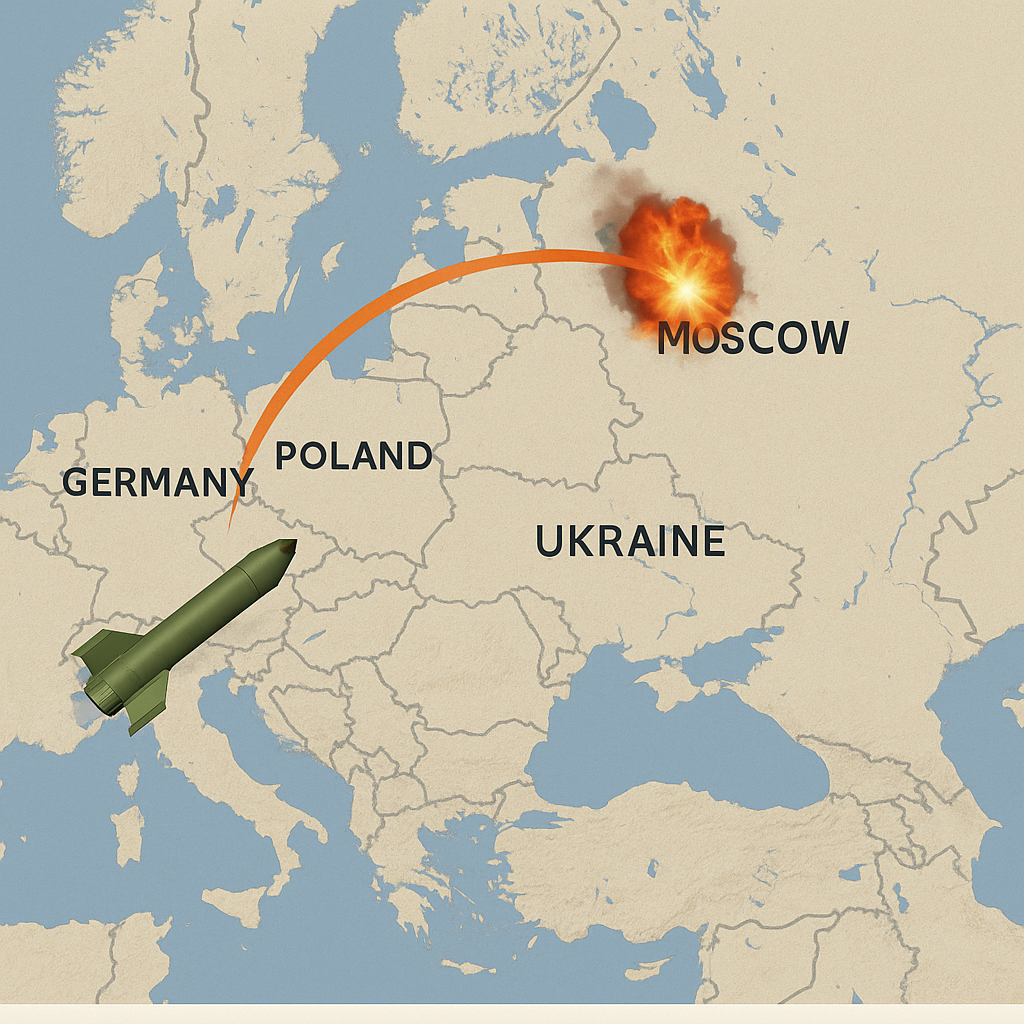
The CIA organise the bombing of a strategically, important russian airports. They are focused on breaking up Russia and collateral consequences are out of their scope....that's what POTUS does - but if he won't attend the daily briefings, what is he to know about what's going on? However you look at this, Donald Trump is responsible (and responsible for escalation) and where is Tulsi Gabbard - she is Director of National Intelligence (DNI)? Her responsibilities:
- Oversight of Intelligence Agencies: Gabbard oversees all 18 U.S. intelligence agencies, including the CIA, NSA, and FBI, coordinating their activities to ensure national security
- Principal Intelligence Advisor: She serves as the primary intelligence advisor to the President, the National Security Council, and the Homeland Security Council, providing assessments on global threats and intelligence matters
- Reforming Intelligence Practices: Gabbard has emphasised the need to depoliticise the intelligence community, aiming to restore public trust and ensure that intelligence operations are conducted without bias...ha ha!
- But the DNI is part of the executive branch, so this is internal oversight, not fully independent.
The whole thing is out of control, and this is what is so frightening. The UN can do its worst, but will just get swatted away.
There will be a reality check at some point (defeat for the Western powers seems the likely eventual outcome, but why did it do they so confidently persist?).
It is likely that there will be a military alliance with China, things could reach the top rung if not,
but it would be so much better if the people could step in first.
For a taste of what's to come, see the Rand Corporation's strategic thinking from 2019, RR_3063, available on the internet. Noone's going to read 200 pages. But there is a chapter specifically on a dozen or so measures to what they call "extend" Russia.
Here is what the people rely on for insuring peace and safety in foreign policy:
1. Congressional Oversight
a. Senate Select Committee on Intelligence (SSCI)
b. House Permanent Select Committee on Intelligence (HPSCI)
These bipartisan bodies are legally empowered to review budgets, operations, and abuses.
They receive classified briefings, hold hearings, and issue reports.
However, they often face delays or restrictions on access and may lack technical expertise.
2. The Executive Branch Inspectors General
Each agency has an Inspector General (IG) – a watchdog office that can audit and investigate misconduct.
The Intelligence Community Inspector General (ICIG) handles issues across agencies.
IGs are supposed to be independent, but they report to agency heads, and have been fired or sidelined in controversial cases.
3. The President and National Security Council (NSC)
The President sets intelligence priorities and can restrain or unleash the agencies.
The NSC (chaired by the President) integrates intelligence into policy decisions.
In practice, the President may use or abuse this power to shield allies or target opponents.
4. The Courts: Limited Role
The Foreign Intelligence Surveillance Court (FISC) approves surveillance requests on U.S. citizens.
It operates in secret, and critics argue it is too compliant (approving over 99% of government requests).
The Supreme Court and federal judiciary can step in when intelligence operations violate laws, but this is rare and reactive.
5. The Press and Whistleblowers
Investigative journalism (e.g. Snowden leaks, CIA torture) plays a crucial external accountability role.
Whistleblowers within the agencies can report abuse, but face legal and professional risks, especially under the Espionage Act.
6. Civil Society and Academia
NGOs (e.g. ACLU, EFF) and university research analyse surveillance trends and push for reform.
They can lobby Congress, sue the government, and raise public awareness, but have no formal authority.
*Conclusion*
The U.S. intelligence community is checked by a patchwork of oversight mechanisms, none of which is fully independent or consistently effective. Power is concentrated in the executive, and accountability often depends on internal discipline, whistleblowers, and public pressure. As DNI, Tulsi Gabbard sits atop this system, but she’s also part of it.
I'm not sure what ended the Vietnam war. I think it was just defeat, although there were lots of public protests. I don't think these had any effect.
We are doomed.